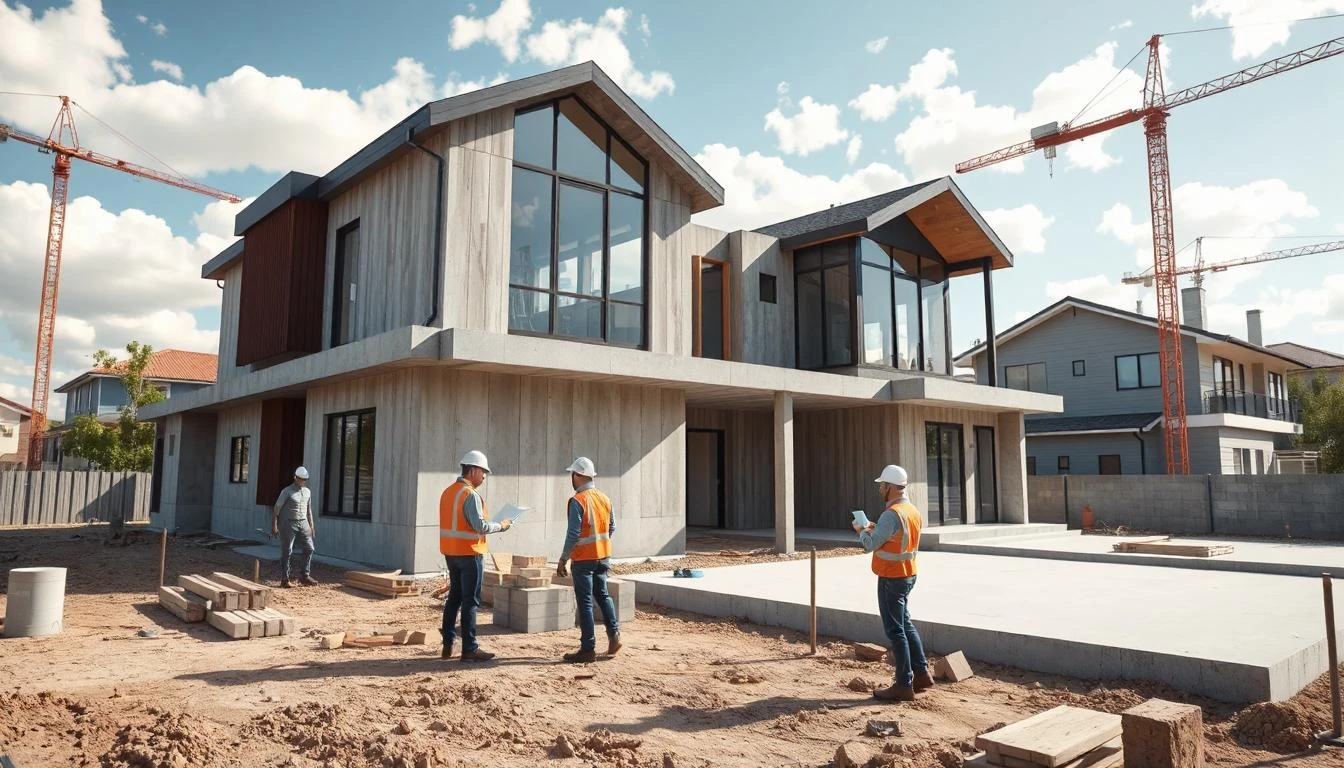
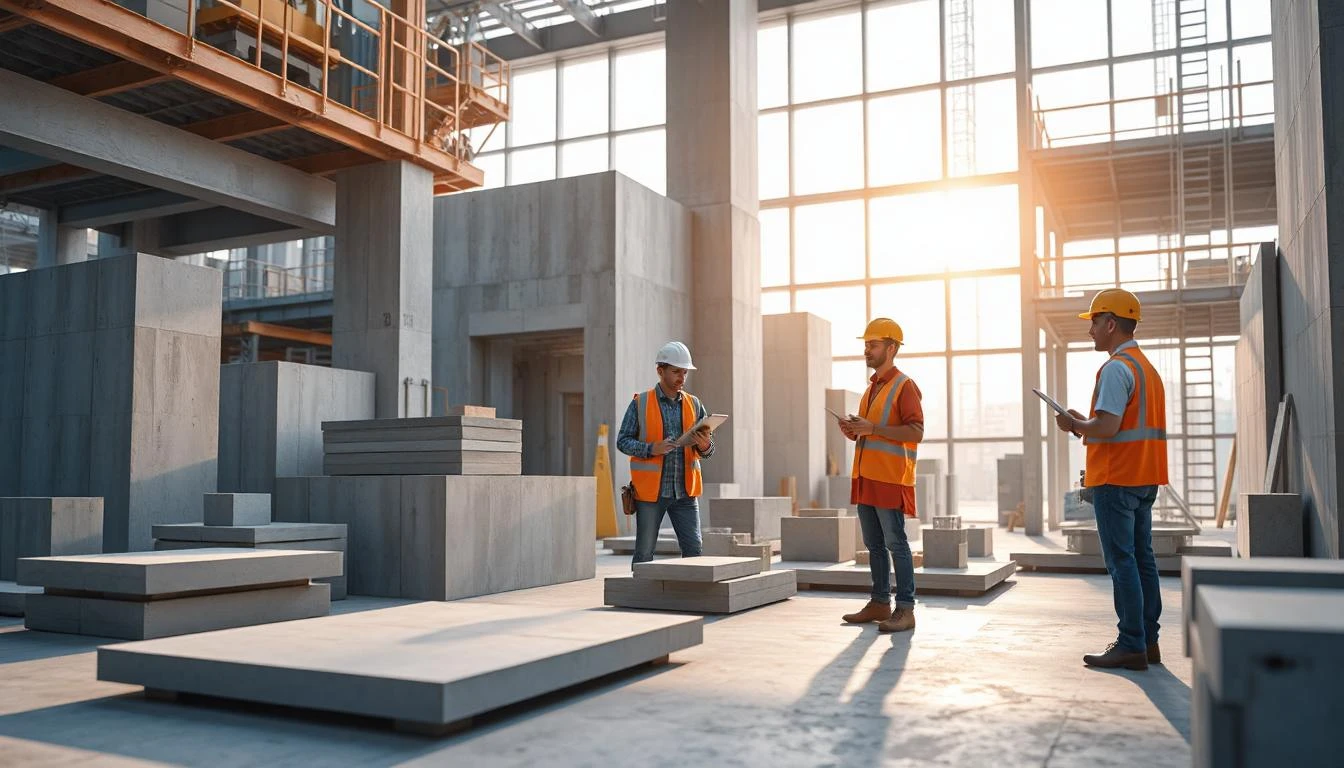
Home Foundations For Strong Structures
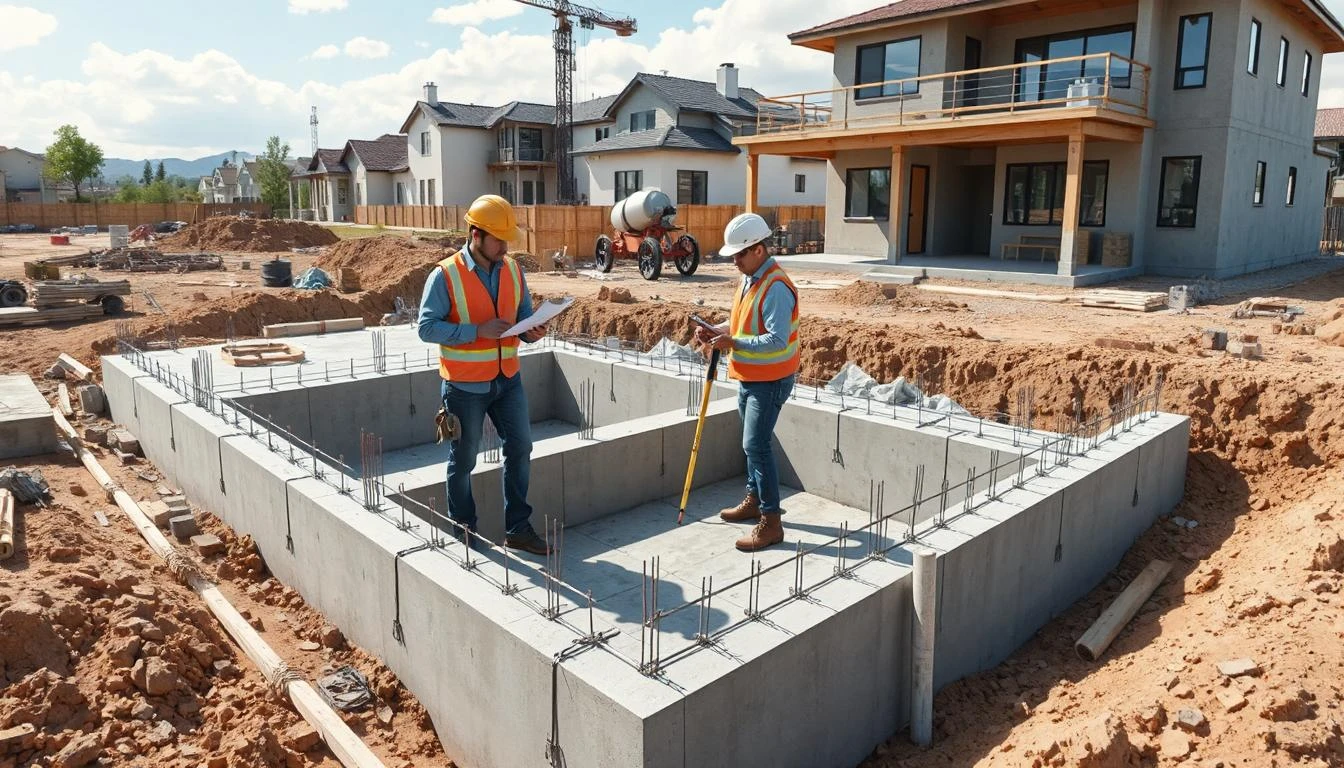
In modern home construction, everything that looks stable on the surface is actually controlled by what happens far below it. The ground beneath a building is not just soil, it is a living system that reacts to pressure, moisture, and time. That’s why engineers treat foundations as the most critical phase of any project, because once mistakes happen here, everything above it will eventually reveal the consequences.
This is where strong home foundation systems become the deciding factor between long-lasting safety and early structural failure. When planning building foundations for durable structures, professionals focus on precision from the very beginning, ensuring every layer of soil, concrete, and reinforcement works in harmony to support the building for decades.
Home Foundations For Strong And Durable Structures
Before any concrete is poured, professionals already read the land like a blueprint written by nature itself. Every shift in soil behavior tells a story that determines how a structure will survive over time. In today’s global construction landscape, strong home foundation systems are no longer optional upgrades but essential requirements for safety and sustainability in residential development.
Importance of proper soil analysis and preparation
Soil is the silent partner of every structure, and ignoring its behavior is one of the biggest risks in construction. Engineers analyze compaction, drainage, and mineral composition to decide how a foundation should be built. Without this step, even premium materials can fail under uneven pressure. The use of building foundations for durable structures becomes especially important when soil conditions are unpredictable, such as clay-heavy or moisture-saturated environments where movement is constant and subtle.
Types of foundations used in modern construction
Different homes demand different grounding systems. Slab foundations are often used for simplicity and cost-efficiency, while crawl space foundations provide accessibility and ventilation. In unstable terrains, pile foundations are driven deep into the earth for added stability. As architect Frank Lloyd Wright once noted, “A building should appear to grow easily from its site,” emphasizing how foundation choice must align with natural surroundings rather than resist them blindly.
Reinforcement techniques for structural strength
Steel reinforcement bars, fiber additives, and modern concrete blends are used to increase tensile strength and flexibility. These reinforcements help foundations resist cracking caused by shifting soil or external pressure. Modern strong home foundation systems also incorporate seismic-resistant design elements, allowing structures to absorb movement rather than collapse under stress.
Engineering Principles Behind Strong Foundations
Every stable structure is governed by invisible engineering laws that dictate how weight, pressure, and movement interact beneath the surface. Understanding building foundations for durable structures requires seeing foundations not as static blocks, but as dynamic systems that constantly respond to environmental forces.
Load distribution and structural stability
A well-designed foundation spreads the weight of a building evenly across the ground. This prevents stress concentration, which is one of the leading causes of structural failure over time. Engineers design load paths carefully so that every part of the building contributes to balance, creating a system where stability is shared rather than forced.
Waterproofing and moisture protection methods
Water is one of the most persistent threats to structural integrity. Moisture infiltration can weaken concrete, corrode steel, and shift soil stability. To prevent this, waterproof membranes and drainage systems are installed around foundation walls. Hydrostatic pressure control is also essential, especially in areas with high rainfall or rising groundwater levels, ensuring long-term durability.
Foundation safety standards and regulations
Construction codes exist to ensure that no foundation is built without minimum safety guarantees. These regulations standardize material strength, depth requirements, and testing procedures across regions. As structural engineer Sarah Mitchell explains, “A foundation that ignores regulation is already halfway to failure, no matter how strong it looks on paper.”
Common Foundation Problems And Solutions
Even the strongest systems can face challenges when environmental conditions change or maintenance is neglected. With strong home foundation systems, early detection is always more cost-effective than late repair.
Cracks and structural weakness prevention
Cracks often appear due to shrinkage, temperature changes, or uneven soil pressure. Proper curing techniques and reinforced concrete mixes help minimize these risks. Regular inspection ensures that small fractures do not evolve into structural threats over time.
Settlement issues and repair methods
Uneven settlement occurs when parts of a structure sink more than others. This can distort floors, walls, and door frames. Repair methods such as slab lifting, underpinning, and soil stabilization help restore balance and prevent further movement.
Maintenance for long term durability
Foundations require ongoing attention, including drainage management and soil moisture control. Overgrown roots and poor water flow can silently weaken structural stability. Maintaining building foundations for durable structures is less about repair and more about prevention done consistently over time.
Build Strong Foundations For Safe Homes Today
When viewed globally, modern housing trends show a clear shift toward resilience, sustainability, and long-term safety. Climate changes, urban expansion, and soil variability demand smarter engineering approaches that prioritize durability from the ground up. As civil engineer Robert Langford states, “The future of housing will not be defined by design alone, but by the strength of what supports it beneath the surface.”
You are not just building a house, you are deciding how that structure will behave for decades. Choosing strong home foundation systems means choosing stability, safety, and peace of mind from the very beginning. When you apply building foundations for durable structures correctly, you are essentially securing the future of everything built above it. The real question is simple, are you building for today, or are you building for time itself?