Building Materials For Future Construction
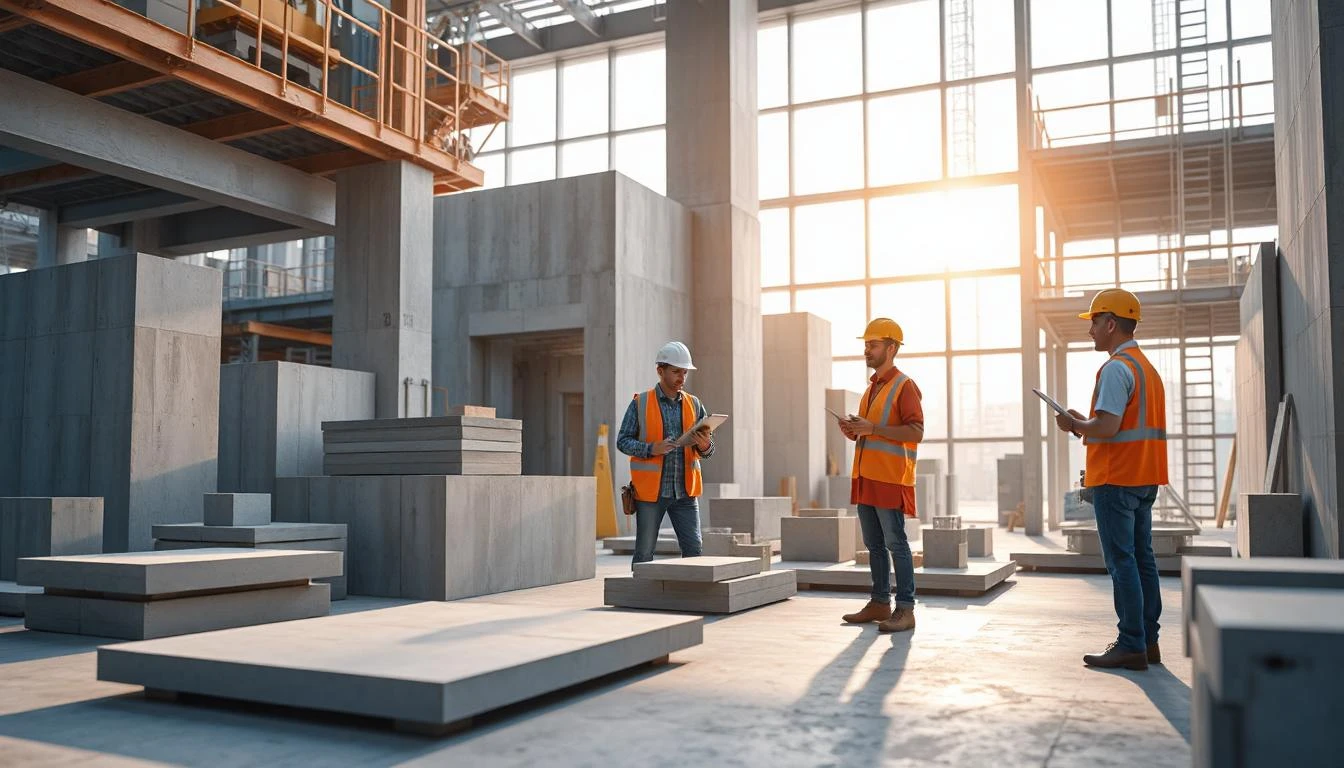
The world of construction is shifting faster than ever, and you can feel it in every new building rising across modern cities. Materials are no longer just components of a structure, they are becoming intelligent contributors to safety, efficiency, and sustainability. From residential homes to mega infrastructure, innovation is quietly rewriting the rules of how we build, design, and maintain spaces for future generations.
At the center of this transformation lies future construction material innovation, a driving force that is reshaping global architecture, engineering standards, and even homeowner expectations. You are not just witnessing an upgrade in materials, you are seeing a complete evolution in how human spaces are created, optimized, and sustained for decades ahead.
Building Materials For Future Construction Innovation
The conversation around modern infrastructure is no longer limited to strength alone. Today, builders and designers are focusing on smarter, greener, and more adaptive solutions that can respond to environmental and economic demands simultaneously.
One of the most important shifts in this space is the rise of modern building materials for construction, which now integrate performance, sustainability, and lifecycle efficiency into a single framework. These materials are redefining what it means to build responsibly in a rapidly changing world.
Sustainable and eco friendly material trends
Sustainability is no longer optional, it is foundational. Materials such as recycled steel, engineered bamboo, and low-carbon cement are becoming mainstream choices in global construction. These innovations are reducing environmental impact while maintaining structural integrity. According to architect William McDonough, “Design is the first signal of human intention,” and in modern construction, that intention clearly leans toward sustainability and responsibility.
High strength composite and smart materials
Advanced composites like fiber-reinforced polymers and graphene-enhanced concrete are changing durability standards. These materials are engineered for resilience under extreme pressure, making them ideal for earthquake-resistant structures and high-rise developments. The integration of self healing concrete technology also reflects a major leap in material intelligence.
Cost efficiency in modern material selection
While innovation often sounds expensive, modern engineering proves otherwise. Hybrid materials now allow developers to reduce long-term maintenance costs while extending structural lifespan. This balance between affordability and performance is becoming a key decision factor in global construction planning.
Advancements In Construction Material Technology
As cities expand and climate conditions become more unpredictable, technology is stepping in to redefine how materials behave under stress. This is where innovation becomes not just useful, but essential for survival and efficiency. Energy efficiency is also deeply connected to modern building materials for construction, especially as governments push for greener infrastructure policies worldwide.
Lightweight yet durable building components
New-generation materials like aerogel panels and carbon-fiber composites are revolutionizing structural engineering. They offer exceptional strength while significantly reducing weight, which improves transportation efficiency and structural load management in large-scale projects.
Energy efficient insulation materials
Thermal performance has become a critical factor in building design. Materials such as vacuum insulation panels and phase-change materials help regulate indoor temperatures naturally, reducing energy consumption. These innovations are often highlighted in best energy efficient insulation materials for modern homes and offices.
Smart materials with adaptive properties
Smart materials are pushing construction into a new era where buildings react to their environment. Temperature-responsive glass and humidity-adaptive coatings adjust automatically to external conditions, improving comfort and efficiency without human intervention. Architect Renzo Piano once noted, “Buildings must reflect the way people live today,” and adaptive materials are making that vision tangible.
Choosing The Right Materials For Modern Projects
Material selection is no longer a simple technical checklist, it is a strategic decision that affects environmental impact, financial planning, and architectural identity. Every choice contributes to the long-term success of a structure. Environmental responsibility is deeply tied to modern building materials for construction, especially as global regulations push for lower emissions and sustainable sourcing practices.
Environmental impact considerations
Builders are now expected to evaluate the full lifecycle of materials, from extraction to disposal. Low-carbon alternatives and recyclable materials are increasingly prioritized to reduce environmental strain and support sustainable development goals.
Durability and maintenance factors
Long-term resilience is essential in modern construction planning. Materials that require minimal maintenance while offering high resistance to weather, corrosion, and wear are becoming industry favorites. This shift ensures lower operational costs over time.
Compatibility with architectural design
Aesthetic flexibility plays a crucial role in material selection. Designers seek materials that not only perform well but also align with modern architectural styles, enabling creative freedom without compromising structural integrity.
Choose Future Ready Building Materials For Better Construction Today
Modern construction is entering a decisive phase where innovation and responsibility must work together. Choosing the right materials today determines how sustainable, efficient, and resilient buildings will be in the future. As sustainability expert Dr. Emily Carter explains, “The materials we choose today define the livability of tomorrow’s cities.”
With rising urban demands and environmental challenges, future construction material innovation is no longer a trend, it is a necessity shaping the global built environment. Now is the moment to rethink how structures are designed, built, and maintained. Every decision in material selection contributes to a larger vision of smarter, safer, and more sustainable living spaces.